












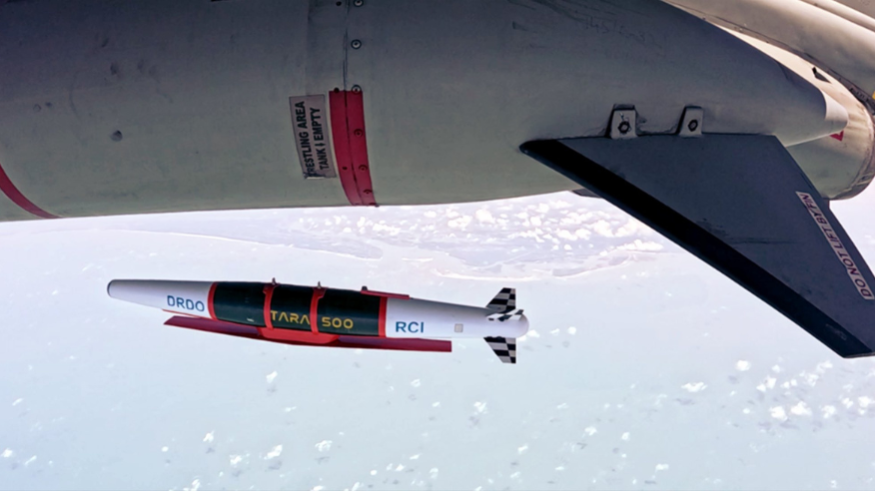
The TARA Bomb

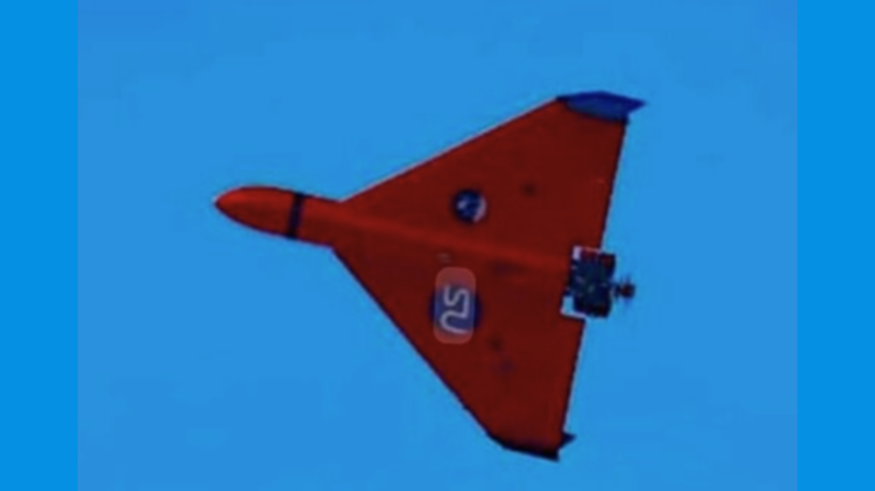
In a major milestone for indigenous defence technology, the DRDO and the Indian Air Force conducted the maiden flight trial of TARA off the Odisha coast on May 7. During the test, a SEPECAT Jaguar fighter of the Indian Air Force launched the weapon, which transformed a conventional gravity bomb into a precision-guided glide weapon. It can be called an Indian made Range Extension Kit because it extends the range of the bomb.
So, what makes TARA important? It is India’s answer to systems like the American JDAM, Israeli SPICE, or the Russian UMPK glide kits seen in Ukraine. The TARA will have variants in 250 kg, 450 kg and 500 kg. India operates Israeli Rafael SPICE bombs, French Safran HAMMER, and has procured JDAM-ER bombs for its Tejas fighter jet. Instead of building entirely new missiles, TARA adds wings and guidance systems to existing bombs, turning them into stand-off precision weapons at a much lower cost. It would also reduce foreign reliance on the bombs. According to Quwa, Pakistan has GIDS Global Industrial & Defence Solutions (GIDS) Range Extension Kit (REK), having a range of 50-60 km and accuracy of less than 20 metres circular error probable (CEP). The REK converts MK-80-series bombs into GPS-guided bombs.
And why does that matter? Because modern wars consume precision weapons at enormous rates. It is shown how the US has consumed its bombs in the US-Iran war. Expensive missiles are effective, but can they be used in massive numbers during a prolonged conflict, and how will the replenishment be done? TARA offers a cheaper alternative.
The system, developed by DRDO’s Research Centre Imarat, Hyderabad, along with Indian industry partners, can reportedly strike targets between 80 and 180 km away depending on release altitude and speed. Some variants are said to achieve accuracy levels of under 3 metres CEP. Adani Defence and Aerospace is one of the industry partners for the production of TARA, as they had displayed the model at the Aero India 2025 airshow held in Bengaluru.
But perhaps the biggest advantage is survivability. Aircraft like the Jaguar, Sukhoi Su-30MKI, Dassault Mirage 2000, and HAL Tejas could therefore deploy TARA to great effect and do not need to fly over the enemy territory to drop the bomb, as TARA can glide its way to the target.
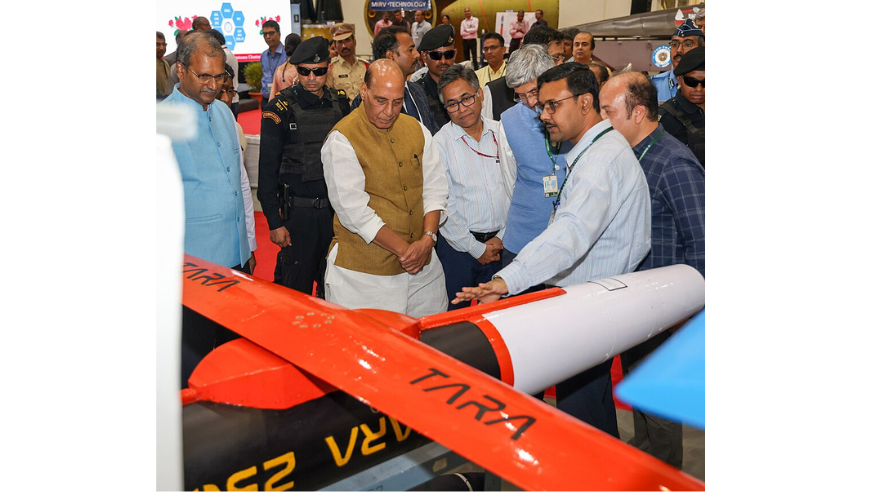
Still, some major questions remain. Can TARA withstand GPS jamming and an electronic warfare environment? Can India produce it in large numbers quickly? And how fast can it be integrated across the IAF fleet? Can the bomb be programmed with AI so that it has only one job to just find and neutralise the target?
If those challenges are overcome, TARA may become far more than just another DRDO project. It could mark India’s shift towards affordable, scalable, indigenous precision warfare under Atamannirbhar Bharat.
Arjun Dev Singh
Arjun Dev Singh has a deep interest in defence, security, and strategic affairs. With a strong analytical lens and a passion for military and geopolitical developments, Arjun strives to bring clarity and context to complex national and international issues.


Comments