









Biggest Stories of The Week: Chakra News

The flash floods in Nepal had devastating effects not just for China and Nepal but also India, which raised the question: Is aggressive border infrastructure development to blame? Then, Air Marshal Mishra revealed in a podcast, that during Operation Sindoor, out of sheer desperation, Pakistan's ISI turned to its spies to find the location of India's S 400 systems. This comes in the backdrop of the arrest of over 200 individuals linked to Pakistan's espionage network across India. And lastly, India's defence exports are set to reach new heights with a number of defence reforms that have been initiated. These three developments have stood out this week.
While the stories span disaster, intelligence and defence, each highlights a larger shift in India's strategic and security environment. Here is a look at the three biggest stories of the week and why they matter. Sandeep Unnithan, Editor in Chief, Chakra News, was in conversation with Deepak Bhadana, examining these developments, their wider implications and what they mean for India's security.
Nepal’s Flash Floods: A Himalayan Warning
The flash floods that struck Nepal on 26th August once again brought the vulnerability of the Himalayas into focus. The discussion examined the root cause of the disaster and possible solutions for avoiding such incidents. Such disasters occurring in the Northern frontiers have a tremendous impact on downstream countries like Nepal and India, placing hundreds of millions in a vulnerable position.
The Himalayas are the youngest mountain ranges and hence are among the most seismically vulnerable regions. This highlighted the importance of developing advanced “Early Warning Systems” for countries like India. “What happened in Nepal, did not occur overnight,” Sandeep said. He cited the example of the floods of July 2025, which served as a warning, followed by the recent floods in Nepal that demonstrated the full impact of something that had been building up for several months. With hundreds of rivers originating from the Tibetan Plateau, combined with the effects of global warming, people living in these regions receive a warning barely a few minutes before such mishaps occur. This brought back the focus to the need for ‘Early Warning Systems’ to be put in place.
Pakistan’s New Spy Game: Social Media
Operation Sindoor also exposed a growing challenge in Pakistan's intelligence strategy, with its agencies increasingly turning to unconventional methods to gather information on India's military assets. The assessment examined how Pakistan, faced with the growing effectiveness of India's S-400 air defence systems, turned to a combination of traditional espionage and newer methods involving social media, influencers, honey traps and criminal networks.
The S-400, one of India’s most important air defence systems, has the ability to be mobile and be deployed at different locations at short intervals of time. During Operation Sindoor, Pakistan did not possess the ability to effectively track the ground movement of the system. “If deployed near the border regions, it acts not just as a defensive, but also an offensive system, due to its ability to control the airspace of the enemy too”.
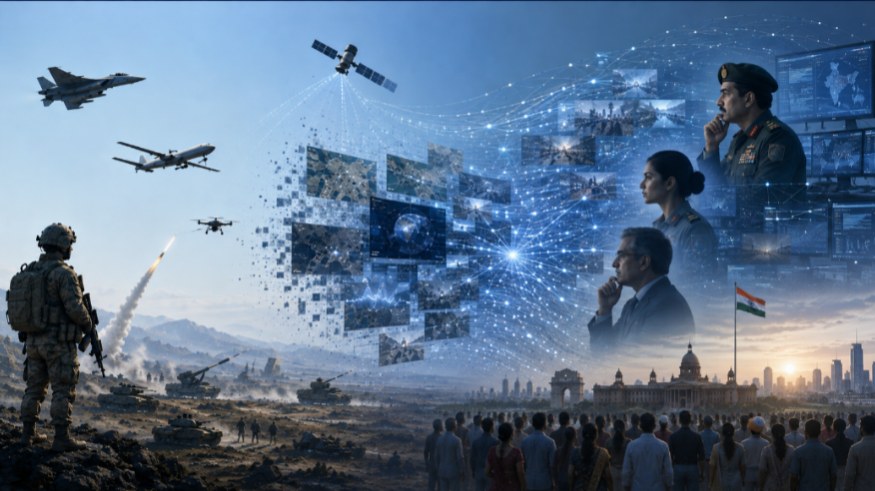
Pakistan's inability to track these systems effectively may have prompted it to activate its ground-based intelligence networks, along with the growing use of honey traps targeting Indian officials and defence personnel. Pakistan's espionage methods have increasingly shifted from physically infiltrating agents to exploiting India's digital ecosystem. The discussion also highlighted the possibility that Pakistan may now be preparing for a future confrontation by harvesting intelligence through influencers, criminal networks and AI enabled analysis of social media.
India’s Defence Export Push: From Buyer to Seller
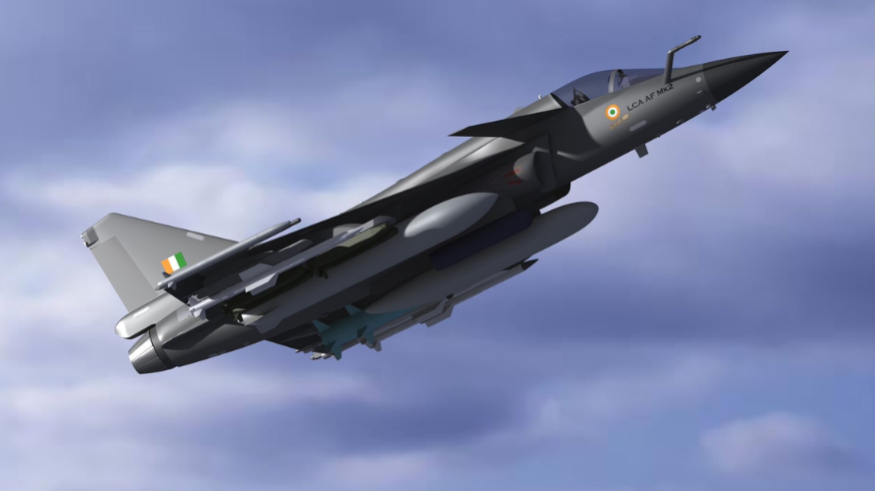
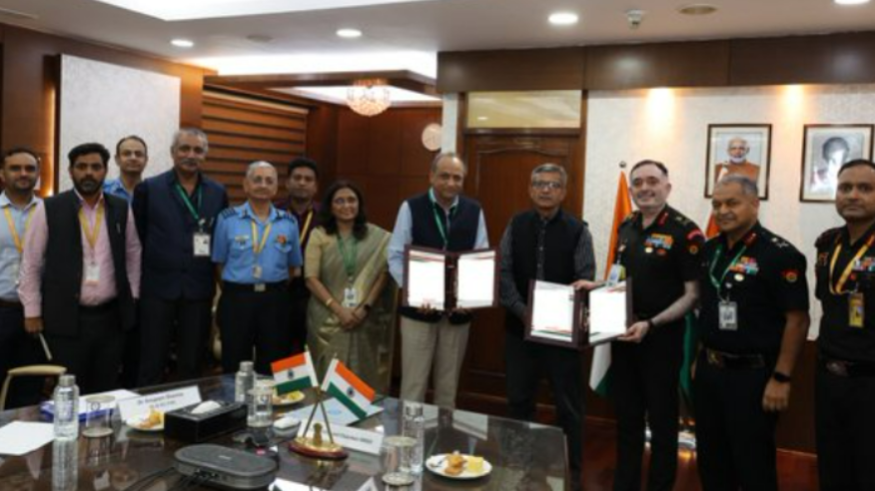
India's changing approach towards defence exports and the reforms aimed at making India a more competitive defence manufacturing power has been one of the talking points recently. The biggest change over the past decade has been a shift in the mindset, with India moving away from the earlier perception that defence equipment was meant primarily for self-defence towards now recognising defence exports as an essential component for building a self-sustaining defence industry.
China was highlighted as an example of this transformation. In 2005, it was the world’s largest arms importer, while today it has become one of the leading defence exporters. India has set a target of achieving around ₹50,000 crore in defence exports by 2029 30, with an argument that the country should eventually aim for ₹1 lakh crore. “These kinds of targets really help because they drive the system.” Recent reforms have reduced licensing hurdles, red tape and opened greater opportunities for India’s private sector exporters.
India's export of systems such as BrahMos to the Philippines was highlighted as an important breakthrough. However, the need of the hour is to move beyond smaller equipment and focus on exporting complete platforms and advanced systems, particularly in areas such as drones and counter drone technology.
The conversation stressed the need for an “All of Government” approach involving defence services, diplomatic missions, intelligence agencies and industry, which should not be working in silos, but rather in an integrated manner. Defence exports can not only generate economic gains but also create strategic linkages, diplomatic leverage and greater influence for India.
Savio Rodrigues
Savio Rodrigues is a Research Analyst at Escape Velocity MediaWorks Pvt Ltd, where he writes extensively for Chakra Newz on defence, national security, geopolitics and emerging technologies. He holds a Master's degree in International Relations and Strategic Studies from the University of Mumbai and has experience in geopolitical risk analysis, strategic research and international affairs.


Comments