









Putin’s Defence Pitch: Missiles, Subs, and Jets for India

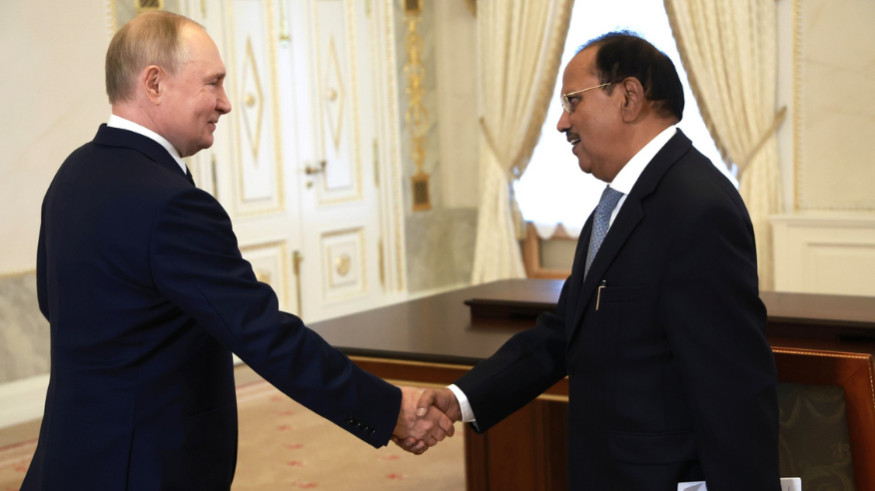
On August 7 2025, on a visit to Moscow, National Security Advisor Ajit Doval announced that Russian President Vladimir Putin will soon visit India. This will be Putin's first visit to New Delhi since 2021. Sources report that the Russian President's agenda for the visit will include discussions on the war in Ukraine, the impact of Trump's tariffs, energy security, arctic cooperation but most importantly a wide range of defence equipment and armament sales for India. So what will Vladimir Putin offer India?
R-37 Long-Range Air-to-Air Missile
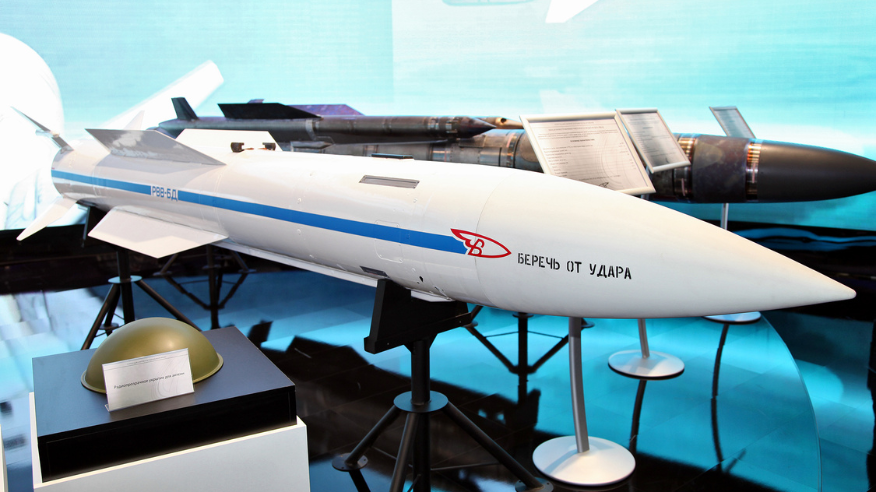
The Vympel R-37 also known as the AA-13 Axehead is a long-range air-to-air missile developed from the R-33. Designed to neutralise high-value airborne targets such as AWACS, tankers, and C4ISTAR aircraft, it allows the launch platform to engage from beyond the protective range of enemy fighters. With speeds up to Mach 6 and ranges exceeding 300 km in some variants, the R-37 provides extended aerial strike capability against strategic airborne assets. The acquisition of the R37 by India would mean that Indian Su-30s would be able to take down enemy aircraft from far beyond visual range. As of now the Su30 Mki uses the Brahmos for such missions. The R37 would be a cheaper alternative leaving the Brahmos for more important operations.
Kalibr Land Attack Cruise Missile
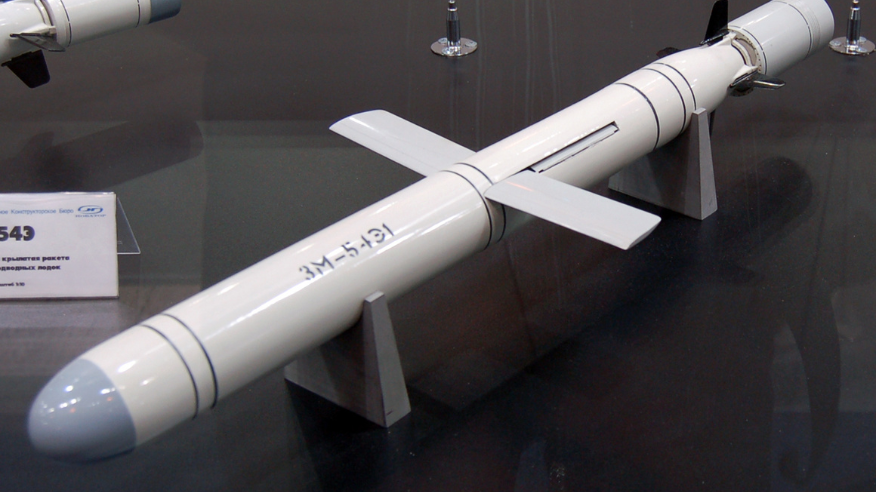
The 3M14 Kalibr is a sea-launched land attack cruise missile with a range of 1,500–2,500 km. Operational since 2015, it can be launched from submarines and surface ships, delivering a 450 kg high-explosive or nuclear-capable warhead. It has been used with devastating effect in Syria and Ukraine, demonstrating precision strikes against ground targets. Its versatility, long range, and stealthy sea-based deployment make it a key asset for India’s ability to project power and challenge adversaries in distant theatres.
Additional S-400 Missile Regiments
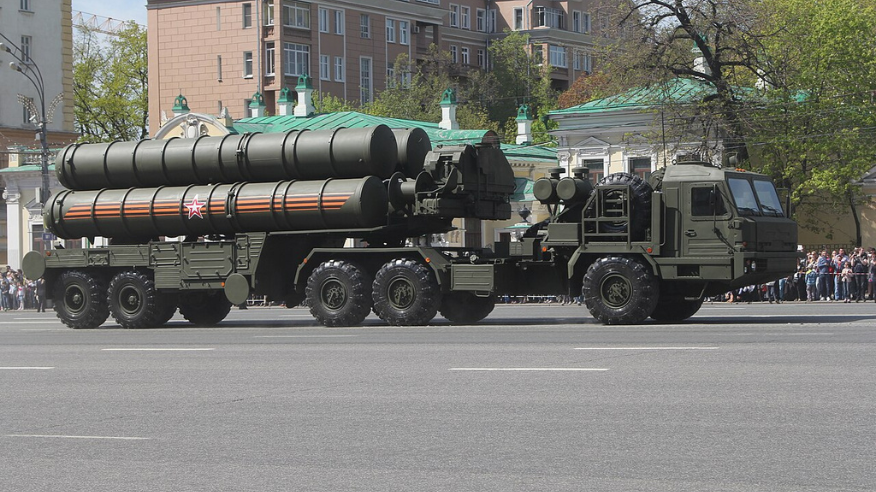
The S-400 Triumf (NATO: SA-21 Growler) is arguably the world’s most advanced mobile surface-to-air missile system, capable of engaging aircraft, UAVs, cruise missiles, and ballistic missiles at ranges from 5km up to 400 km. India ordered five regiments in 2019, with two yet to be delivered. The system’s layered defence, rapid deployment, and ability to track and engage multiple targets simultaneously give it a significant edge over Western counterparts. India plans deployment along western and northern fronts to counter threats from Pakistan and China. Sources report that Russia could offer as many as 5 more regiments of the S400.
S-500 Air and Missile Defence System
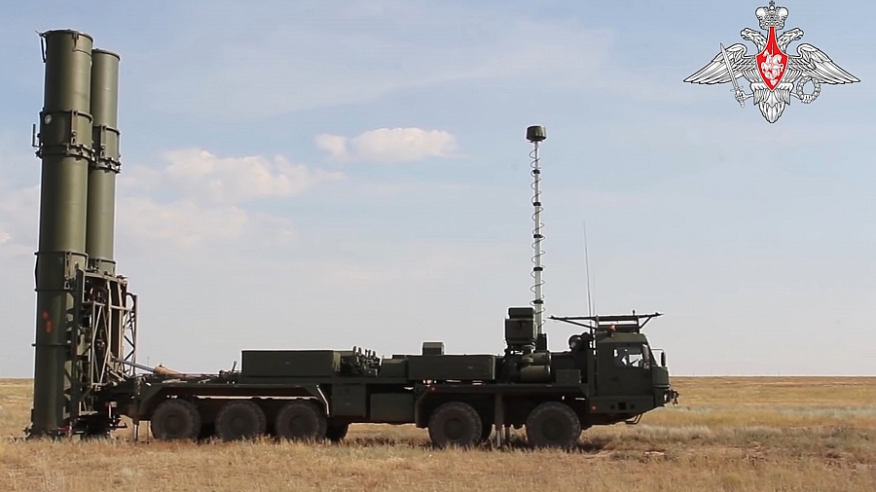
The S-500 "Prometey" is Russia’s next-generation air and missile defence system, designed to counter ballistic missiles, hypersonic weapons, stealth aircraft, and even low Earth orbit satellites. With engagement ranges up to 600 km and the ability to intercept at altitudes of 200 km, it far exceeds the S-400’s capabilities. Featuring a rapid four-second response time and integration with other Russian systems, the S-500 would offer India unprecedented defensive reach if acquired. In the subcontinent the S500 would far exceed any such capability possessed by either the Chinese or the Pakistanis.
Additional Nuclear-Powered Attack Submarine
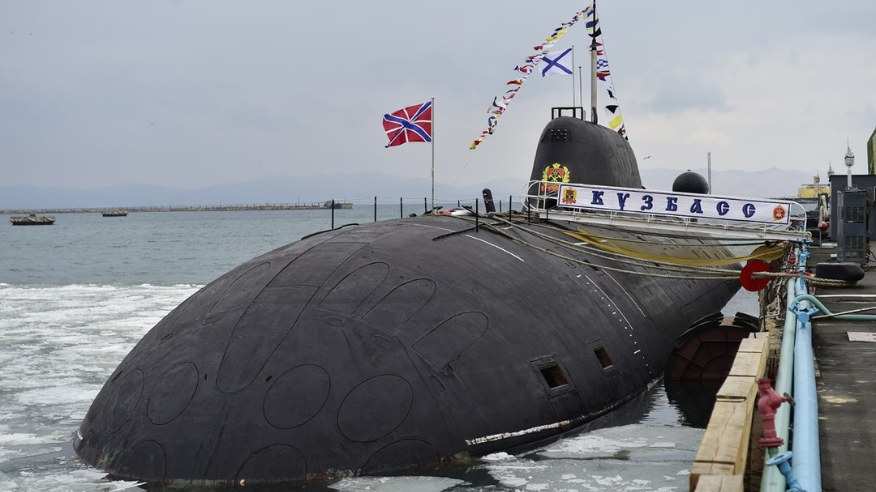
Russia is expected to offer India a second Akula-class nuclear-powered attack submarine lease during President Putin’s 2025 visit. This follows delays in delivering the first leased vessel, INS Chakra III. Known for stealth, speed, endurance and deep-diving capabilities, the Akula-class would enhance India’s undersea warfare capacity in the Indo-Pacific at a time when the Chinese Navy is growing at a rapid pace and a nascent Pakistan Navy is being reared by China to counter India. Equipped with the aforementioned Kalibr cruise missiles, the submarine would bolster India’s long-range strike options while supporting its goal of maintaining nuclear submarine operational expertise until indigenous designs are ready.
Additional Type 877 Kilo-Class Submarine
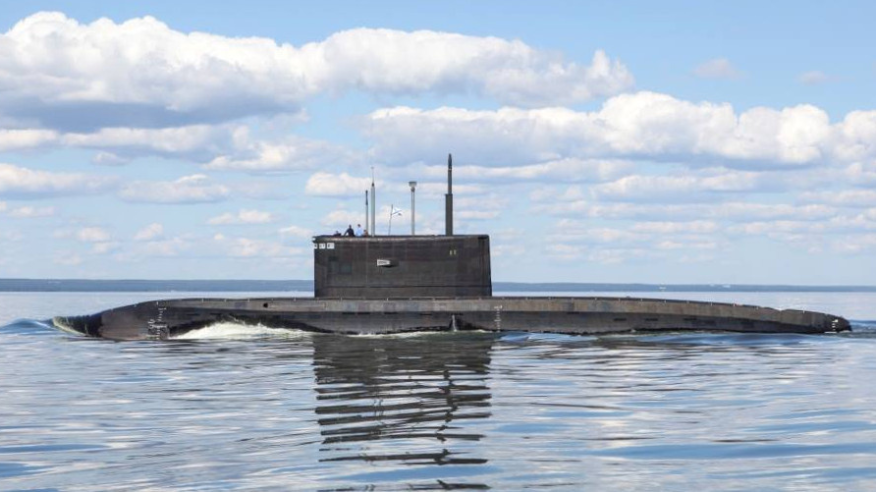
The Type 877EKM Kilo-class is a diesel-electric attack submarine optimised for anti-ship and anti-submarine warfare in shallow waters. Quiet and reliable, it can carry torpedoes, mines, and in some upgraded variants, Kalibr cruise missiles. The Indian Navy already operates the Type 877 Kilo Class as the Sindhughosh class. More units will enhance the Navy’s coastal defence and sea-denial capabilities while complementing nuclear-powered assets.
Su-57 Fifth-Generation Fighter Aircraft
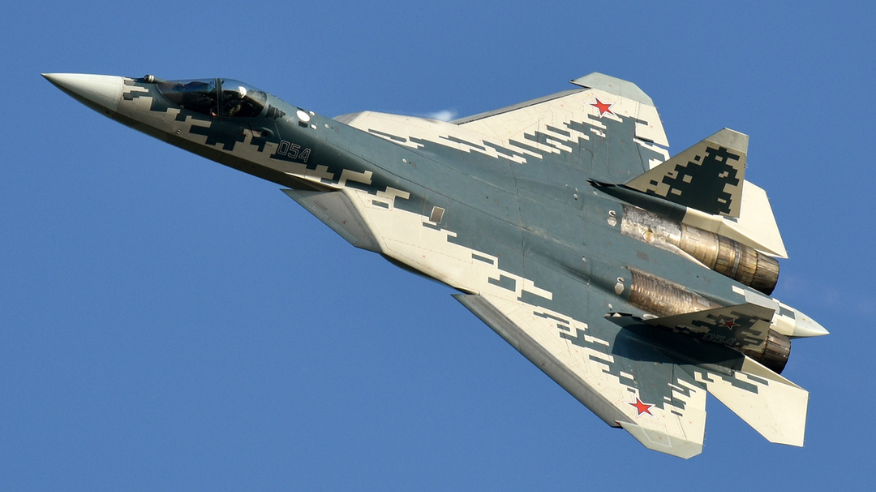
The Sukhoi Su-57 is Russia’s stealth-capable, fifth-generation multirole fighter designed for air superiority and strike missions. Featuring advanced avionics, supercruise capability, internal weapons bays, and low radar cross-section, it is intended to compete with Western designs like the F-35. Incidentally India had for long partnered Russia in the development of the Su-57 until spiralling costs, delays and a warming of relations with the United States persuaded India to look to the west. However, problems with the F-35 and President Donald Trump made it almost certain that India turns to the Su-57. For India, limited acquisition of the Su-57 would provide much needed access to cutting-edge technologies, particularly in stealth and sensor fusion, while supplementing indigenous programmes such as the AMCA.
Additional Su-30MKI Fighters
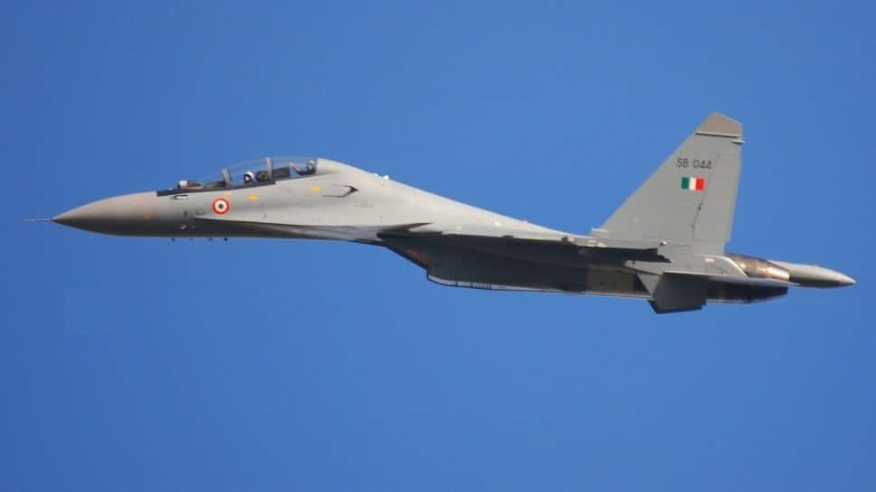
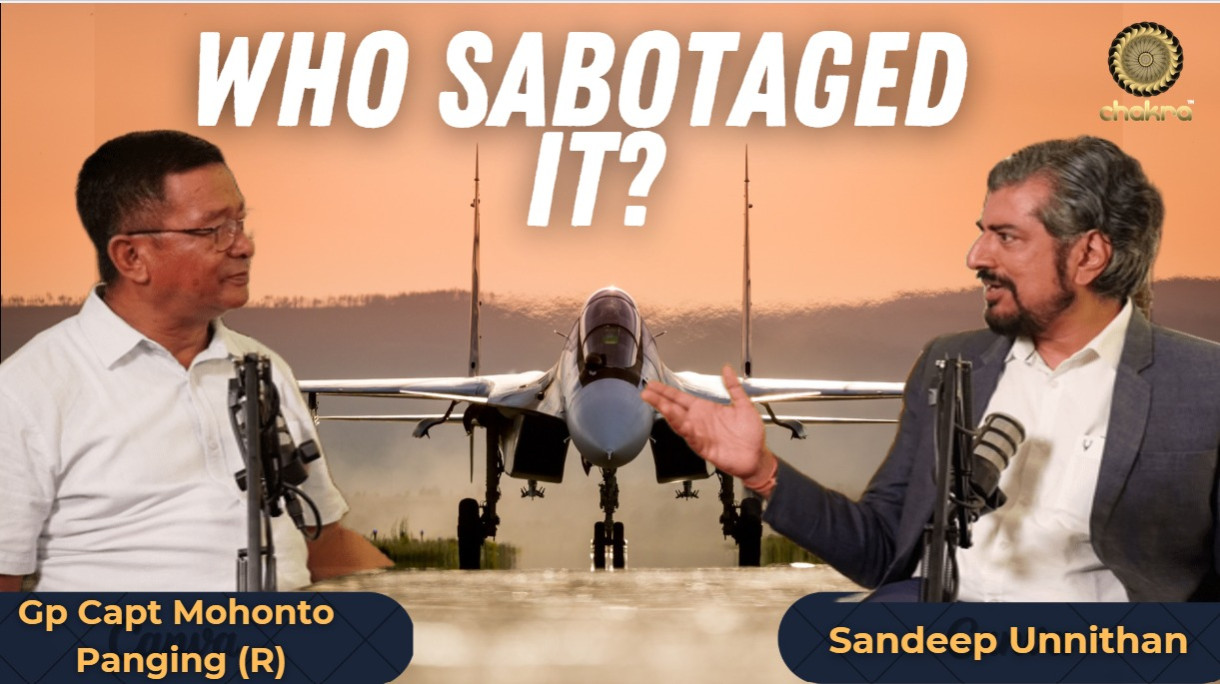
The Su-30MKI combines Russian airframe design with Indian, French, and Israeli avionics. Highly maneuverable and capable of carrying a wide array of weapons, it plays a key role in both air dominance and strike missions. Presently about 265 Su-30 Mkis form the backbone of the Indian airforce as air superiority fighters. Procuring additional units will help arrest the decline in fighter squadron numbers, ensuring readiness until indigenous fighters like the Tejas Mk2 and AMCA enter service.
For the past decade, India has prioiritised Made in Bharat systems above everything else. The policy has not always been easy to pursue considering that virtually every single defence system in the market today includes sub-systems that are sourced from elsewhere. Nevertheless, the Atmanirbhar Bharat initiative has proved to be farsighted when one looks at the disruption of supply chains and the anarchic state of international relations. India must therefore not give it up.
President Putin’s offer will indeed be enticing and the Russian offerings will help plug critical gaps in India’s arsenal. But the key for India will be to balance these imports with a focus on our own indigenous defence industry.
Deepak Bhadana
Over the past decade, Deepak Bhadana has built expertise in multimedia storytelling, with a focus on military conflicts, insurgencies, international relations, the defence industry, and occasionally, wildlife and environmental issues.



Comments