












Top Headlines: 7th January 2026

1. Indian Navy’s ALH set to resume flights
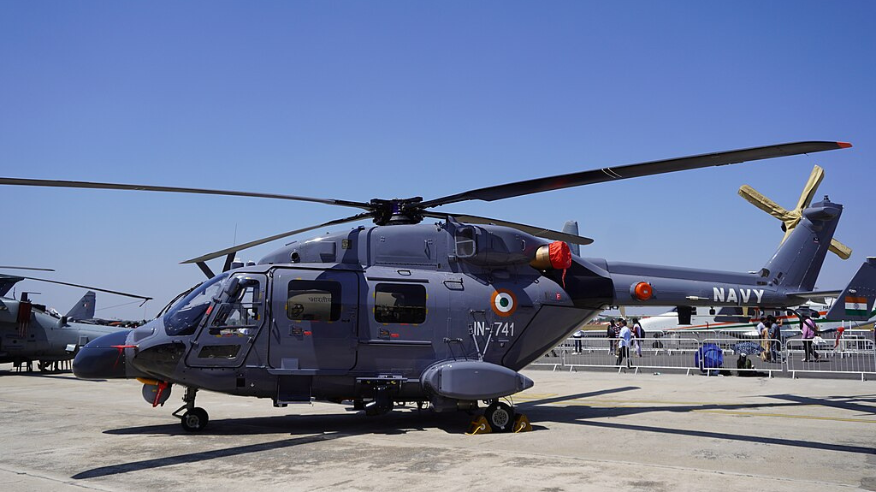
Indian Navy’s Advanced Light Helicopters (ALH) are set to resume flying in a phased manner, with operational restrictions. The fleet had been grounded after Indian Coast Guard helicopter CG859 hit the runway shoulder at Porbandar in western India, killing two Coast Guard pilots and an aircrewman diver, according to VerticalMag.
Manufacturer Hindustan Aeronautics Limited (HAL) had recommended grounding the entire ALH fleet after preliminary analysis of flight data recorder inputs indicated the helicopter did not respond to pilot commands seconds before impact. The Board of Inquiry (BoI) and Defect Investigation (DI) committee identified a catastrophic failure of the non-rotating swash plate (NRSP). This critical component in the upper control circuit transmits pilot inputs to the four-bladed, hingeless main rotor.
During the year-long grounding, HAL carried out a fleet-wide inspection of the Integrated Dynamic System (IDS), which houses most critical components of the ALH’s dynamic system and upper controls. Multiple cases of fatigue failure of the NRSP were observed, primarily in a batch of newly inducted wheel-variant ALH Mk-III Maritime Role helicopters operated by the Navy and Coast Guard. Similar failures were not reported in other ALH variants, according to a former HAL official who headed the Rotary Wing Research and Design Centre in Bengaluru.
2. Tata Advanced Systems awarded contract for Pinaka launcher upgradation
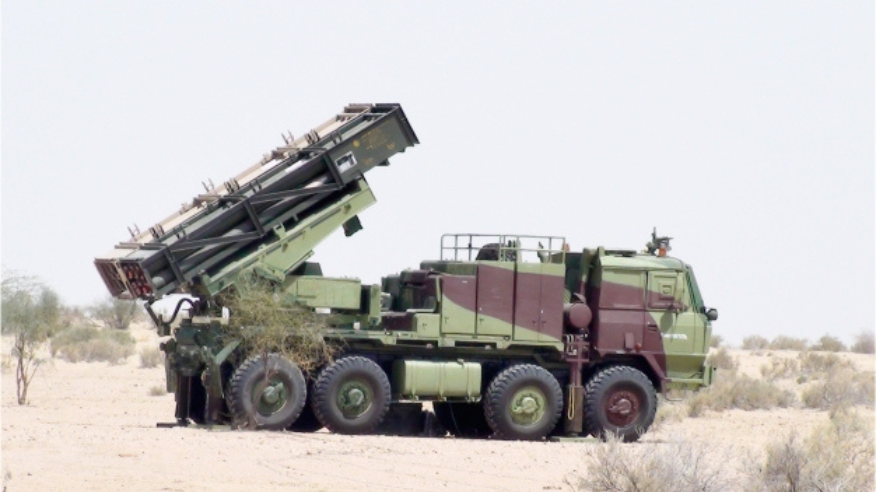
Tata Advanced Systems has been awarded a supply order to support the Indian Army’s 510 Advanced Base Workshop (ABW) for the overhaul-cum-upgradation of in-service first-generation Pinaka Multiple Launch Rocket Systems (MLRS) and Battery Command Posts (BCPs), according to a post on X by Vayu Aerospace and Defence Review.
Tata Advanced Systems partnered with the Defence Research and Development Organisation (DRDO) in the design and development of the Pinaka MLRS, an all-weather, indirect-fire artillery system capable of delivering high-volume firepower against critical targets.
3. FN UK awarded FN 15 ASR contract for UK Police tender

FN UK has been awarded the contract for the FN 15 ASR under the UK Police tender, with the programme accelerated to meet the January 7 timeline.
The FN 15 ASR is a fully symmetrically ambidextrous weapon, offering true left- and right-handed controls without compromising ergonomics. The control layout and activation movements remain identical for both right- and left-handed operators, tailored to the operational needs of law enforcement personnel.
4. US Army unveils M1E3 early prototype
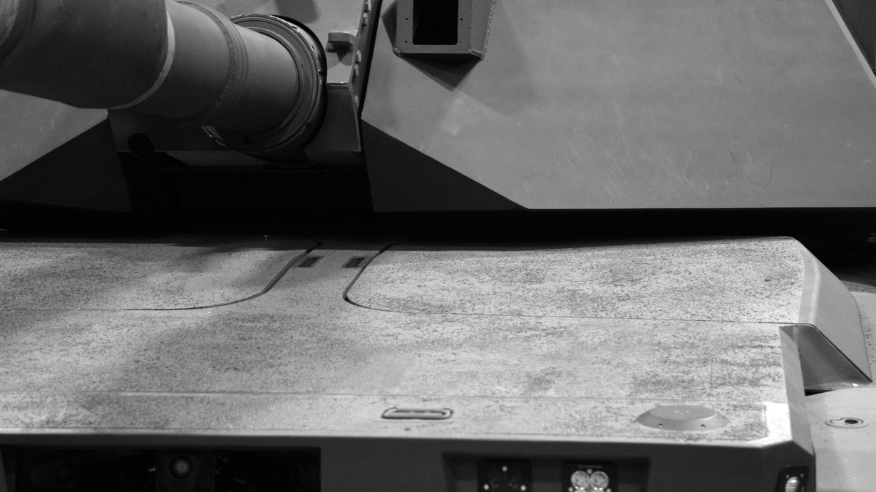
The US Army has unveiled the M1E3 early prototype, incorporating lessons learned, advanced technologies, and a focus on speed and survivability. Testing is scheduled to begin in early 2026. The M1E3 Abrams is the Army’s next-generation main battle tank (MBT) and will replace the cancelled M1A2 SEPv4 programme.
The design builds on the Abrams X concept unveiled by General Dynamics in October 2022. Key features include a reduced weight, approximately 10 tonnes lighter than the current M1 Abrams and a hybrid diesel-electric powerplant offering around 50% improved fuel efficiency, and an unmanned turret reducing the crew from four to three. The platform is also expected to feature enhanced armour against drone-delivered munitions, integration with unmanned aerial systems, and onboard AI to detect long-range threats and prioritise fires against multiple targets.
5. Lockheed Martin signs framework agreement for PAC-3 MSE missiles
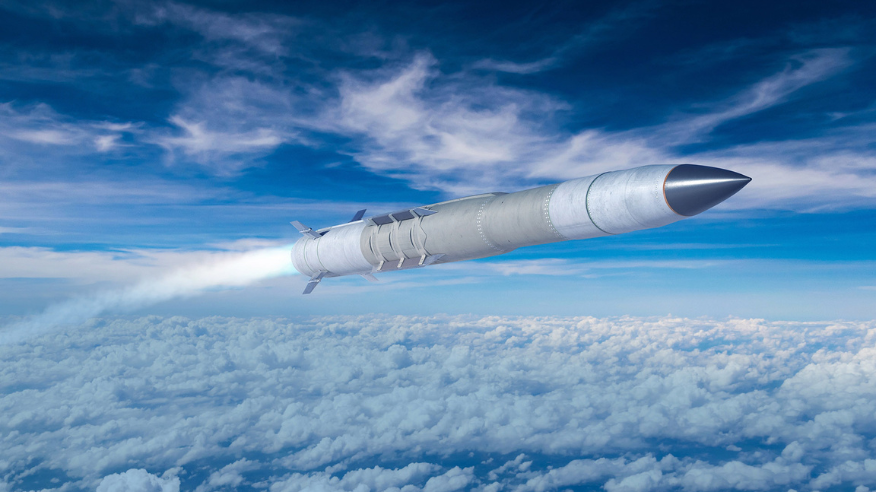
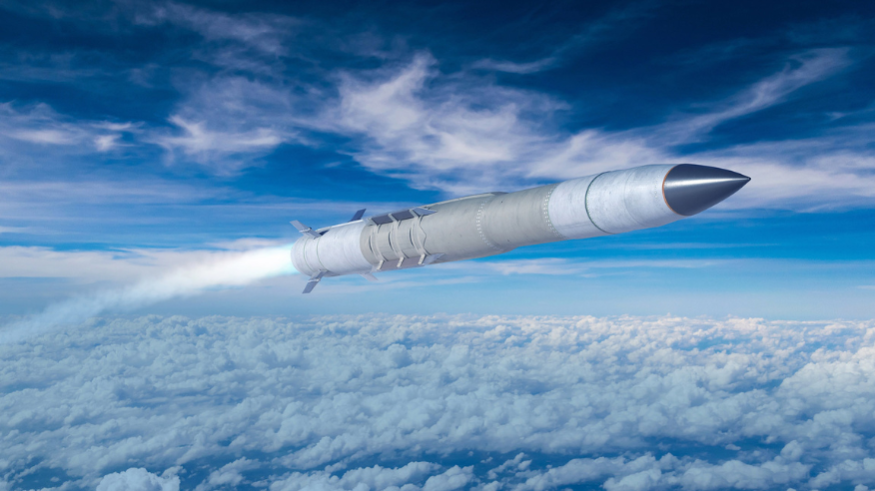
Lockheed Martin has signed a framework agreement with the US Department of Defense to significantly accelerate the production and delivery of PAC-3 Missile Segment Enhancement (MSE) interceptors. Under the seven-year agreement, annual production capacity will increase from approximately 600 to 2,000 missiles, supporting US forces as well as allied and partner nations.
The PAC-3 MSE is a high-velocity, surface-to-air interceptor featuring a larger dual-pulse solid rocket motor and enhanced control fins, extending its operational range and altitude by around 50 per cent compared to earlier variants.
The missile has an estimated engagement range of 35–40 km against ballistic missiles and 60–120 km against aerodynamic targets, with interception altitudes up to 36,000 metres. Employing Hit-to-Kill technology, it uses direct kinetic impact and an active Ka-band radar seeker for terminal guidance. Weighing approximately 700 kg, the missile is deployed from M903 launchers, each capable of carrying up to 12 interceptors.
6. US Army to adopt standard batteries

To reduce physical, cognitive and logistical burdens on soldiers, the US Army is transitioning to a family of standardised batteries for equipment ranging from night-vision devices to radios, GPS units and weapons. The initiative is being driven through collaboration between Army research organisations and industry partners.
The cornerstone of this effort is the Small Tactical Universal Battery (STUB), the Army’s new standard power solution for handheld and small form-factor devices. STUB comprises eight battery sizes sharing a common mechanical and electrical interface, enabling interoperability. Each size provides a different energy capacity, allowing soldiers to select batteries based on mission requirements.
Chakra Desk
Chakra News is a specialised digital media platform committed to in-depth coverage of India’s defence, national security, geopolitics, and critical technologies.





Comments