



Is Russia the new drone superpower?

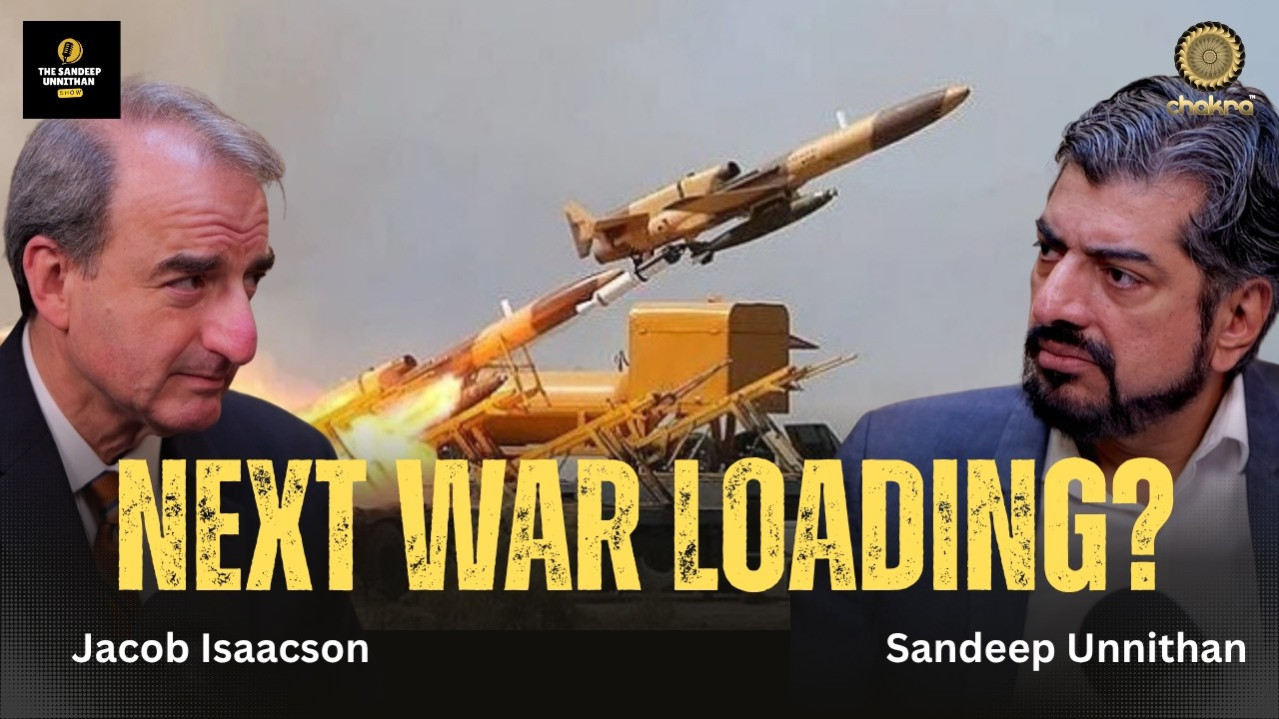
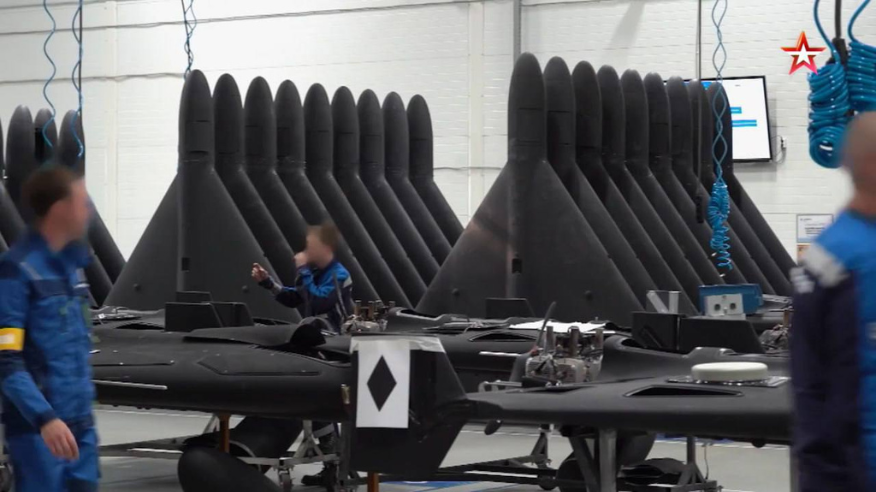
Russia may soon become a drone superpower, according to a defence analyst. “Russian industry has surpassed the Ukrainian drone industry in terms of infrastructure, investment, workforce, productivity but above all, innovation,” says Patricia Marins, an independent defence analyst focusing on Europe. “Even though Ukraine produces more FPV (First Person View) drones than Russia, the latter has advanced counter-drone systems and invested in tungsten warheads and modern navigation systems.”
She adds, “Russia will emerge as a major drone exporter and regain its position in the global arms market with the help of new drone models.” Marins estimates that with expanding production capacity, Russia will manufacture 60,000–80,000 ISR (Intelligence, Surveillance and Reconnaissance) and kamikaze drones per year. At the current pace, this figure could rise to 300,000–400,000 annually in the next 5–6 years.
In the ongoing war, both Russia and Ukraine are deploying FPV drones extensively. Although Ukraine is producing more of them, it continues to face operational and logistical challenges.
Russia and the Global Arms Industry
Russia has long been one of the world’s major arms suppliers, exporting everything from assault rifles to fighter jets and frigates. However, drones were not a prominent part of its defence exports.
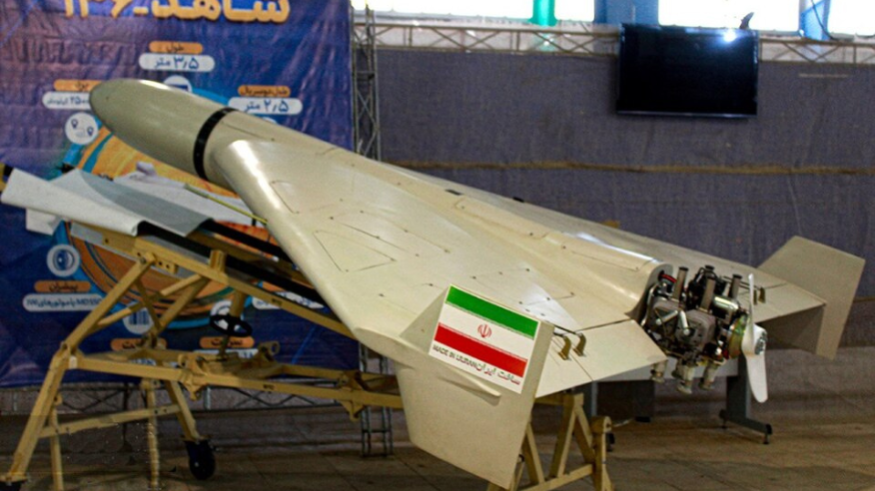
The turning point came during the 2020 Nagorno-Karabakh war, where drones were used to destroy high-value targets. Russia took note, especially after witnessing Ukraine’s early use of drones during the initial stages of the invasion in 2022. Initially reliant on Iranian drones, Russia quickly began setting up its own domestic production facilities capable of manufacturing thousands of drones annually.
According to the Stockholm International Peace Research Institute (SIPRI), “Russia’s arms exports fell by 64% between the periods 2015–20 and 2020–24.” This decline had already begun before the 2022 invasion of Ukraine. Pieter Wezeman of SIPRI explains, “The war has further accelerated the drop in Russian arms exports. More weapons are now needed on the battlefield, sanctions have restricted trade, and Russia’s allies are pressuring countries to avoid purchasing Russian arms.”
He also points out that “two of Russia’s most important arms markets—India and China—were already shifting. India is increasingly sourcing from other countries, while China is developing its own advanced weapons.”
This trend has been evident in delayed deliveries of defence equipment and spares to India, which in turn has prompted New Delhi to diversify suppliers and accelerate indigenous defence production.
Impact of the Russia-Ukraine War on Global Drone Development
The war has spurred many countries to begin developing their own drone capabilities. At the same time, several are turning to Russia to procure cost-effective and combat-tested drones. According to analysts, smaller nations may increasingly deploy Russian drones in future conflicts: even against larger powers.
Arjun Dev Singh
Arjun Dev Singh has a deep interest in defence, security, and strategic affairs. With a strong analytical lens and a passion for military and geopolitical developments, Arjun strives to bring clarity and context to complex national and international issues.


Comments