




Technology alone can’t win wars
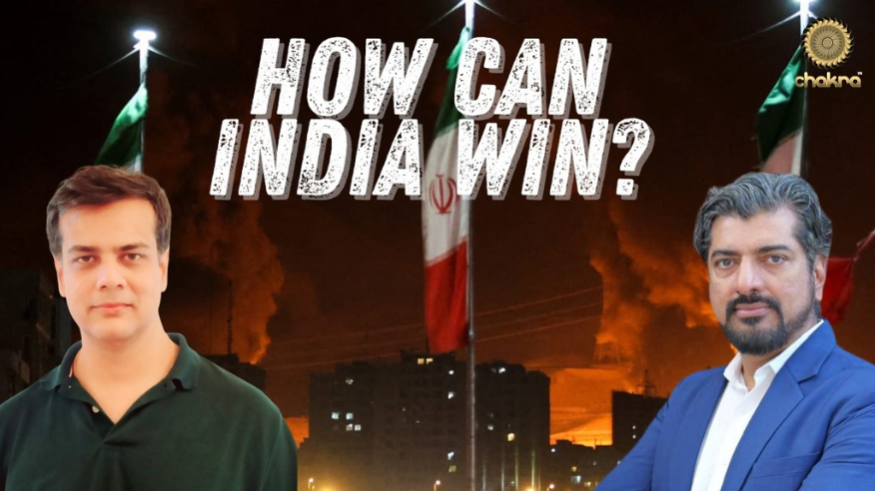
The character of war has changed due to the unprecedented strides in technology. This has led to a vision that modern warfare can take place at a distance and even be managed virtually. Operation Epic Fury, for example, has seen a remarkable display of deep precision strikes, naval control, and the rapid suppression of air defence capabilities. Today, after a hundred days of the war, the fragile ceasefire has been breached with Iran and Israel trading missiles.
Conflict at Range
Today, technology has become an integral part of CNP, both from an economic perspective and in developing military capability. The singular overarching reach of technology that pervades every aspect of our lives today has become, possibly, a main driver of a nation’s influence, impacting both its capability to create wealth and its effectiveness in waging war. The emergent pattern today is characterised by controlled effects delivered at ranges beyond conventional front lines and at tempos dominated by autonomous or semi-autonomous precision systems. The threshold of conflict has been lowered by technology in both asymmetric and near-peer conflicts. Asymmetric conflicts follow the Thucydides dictum of “The strong do what they can and the weak suffer what they must.” The strong deliver punishment using standoff systems without putting personnel or equipment at risk, and the weak respond or act with the technology at their disposal.
The Limits of Remote Warfare
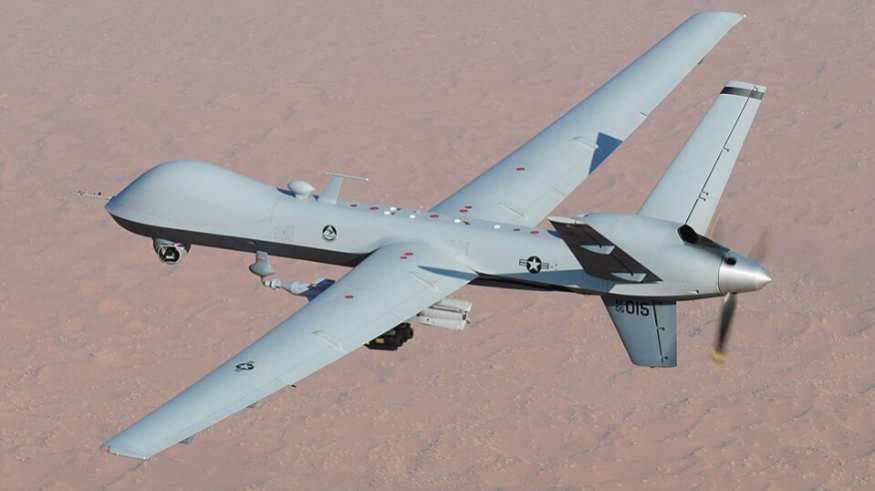
The ongoing conflicts raise a question. How will the rapid diffusion of low-cost unmanned systems impact warfare? The fact is that Drones cannot seize, control, or retain terrain. Their full potential lies in combined arms integration to maximise their effect, as well as to counter their abilities to restore battlefield mobility. Another defining feature is data collection and sensor integration. There has also been a merging of civilian and military information infrastructure and tools.
The advantage of remote war is its speed, reach and reduced risk. Thanks to precision weapons, the captivating image is of victory, with ground forces being at the periphery of conflict, as they are manpower intensive and expensive. That idea may be appealing, but events are proving otherwise as the wars are now ‘lingering’.
The Future Force
Technology amplifies capabilities, but it does not replace the warrior’s mindset. Even the most advanced systems require humans to interpret ambiguous environments, make moral decisions, and maintain cohesion under conditions that no machine will ever fully comprehend. The future will therefore belong to the military that best combines conventional power with asymmetric capabilities, technological innovation and artificial intelligence.
Maj Gen Jagatbir Singh, VSM (Retired)
Major General Jagatbir Singh is an Armoured Corps Officer who commanded the First Armoured Division. He served in varied terrains and tenanted important command, staff and instructional appointments including a UN Peace Keeping Mission in Iraq and Kuwait. He co-authored ‘Armour 1971’ and edited ‘Valour and Honour’.



Comments