








STRAT TALK

Escalation in the West Asia War: Conflict Broadens, Economic Risks Rise
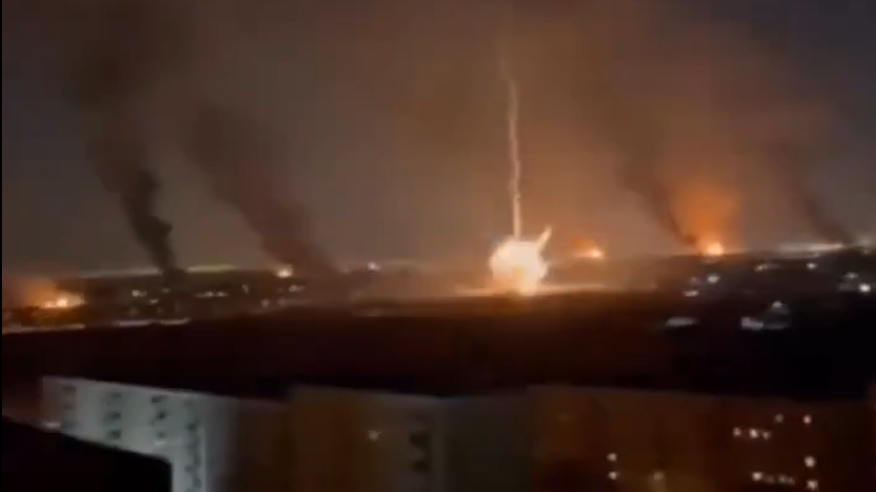
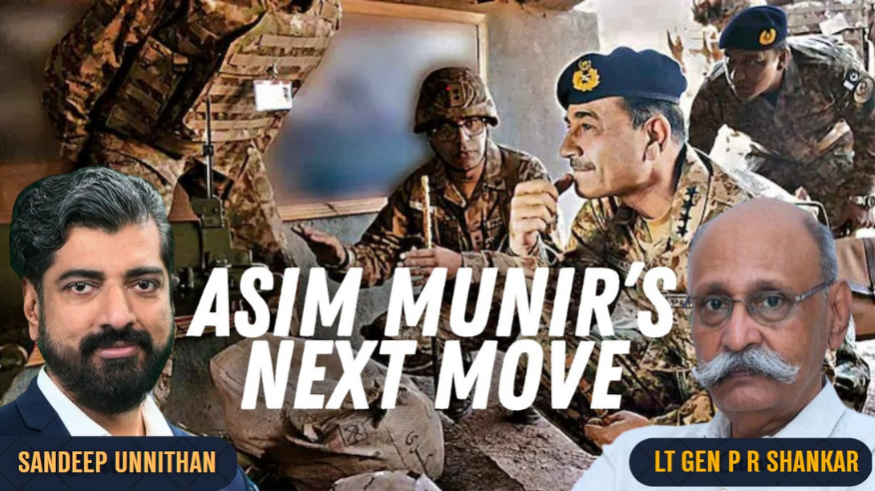
The War in West Asia enters a dangerous phase as the conflict spreads across critical maritime chokepoints. Experts warn that the conflict could have increasing global economic consequences as the battle increasingly shifts targets from conventional ones to control over critical maritime chokepoints. What would its implications be for India? This was the subject of discussion between Editor in Chief Chakra Newz, Sandeep Unnithan and Lt Gen P R Shankar, where they delve deeper into these shifting dynamics.
The conflict between the United States and Iran has potentially entered a new and unprecedented phase where military players in West Asia have been shifting their priorities, essentially characterised by attempts to assert control over critical maritime chokepoints, in an attempt to undermine or threaten global trade. Gen P R Shankar and Sandeep Unnithan discussed that the conflict is now extending to levels that will get increasingly difficult to contain, with implications extending from the Strait of Hormuz to the Mediterranean and the Caspian Sea.
According to the discussion, the American bombings of Iran, subsequent to the ceasefire breaking apart, failed to achieve their objectives. Despite weeks of military as well as political pressure applied, Iran did not back down nor show any signs of a potential collapse. Instead, the conflict has shifted towards what the speakers described as a "horizontal escalation".
Avoiding conventional military conflict, Iran has instead used its network of proxy groups and its geographical situation to exert pressure across multiple fronts. The Houthis have intensified their attacks on commercial ships around the Suez Canal. This broadly signals Iran’s capability to influence three out of the world’s seven most critical chokepoints, giving them control over routes that govern a majority chunk of global maritime trade.
"This is a tectonic shift," Sandeep observed, asserting that Tehran’s strategy seeks to demonstrate that commercial shipping cannot pass through regions surrounding the Arabian Peninsula without accounting for their influence. The speakers noted that ought to the high volumes of trade passing through these chokepoints, disruptions like these would cause insurance and shipping costs to increase, thereby adversely affecting the global economy.
They also pondered upon how the United States has failed in achieving many of its military objectives. Having acknowledged the economic difficulties Iran is currently facing, the discussion portrayed Iran in a position to absorb military pressure. Tehran appears willing to absorb military and economic costs if it enables the country to maintain strategic leverage.
As per General Shankar’s take, a key concern from an Indian National Security perspective is more economic, rather than military. It looms over securing energy supplies from West Asia. India largely remains insulated from the risks but is expected to observe the situation with caution, due to potential risks of adverse economic impact.
Pakistan’s Faces Multi-front Crises as Internal Unrest Deepens
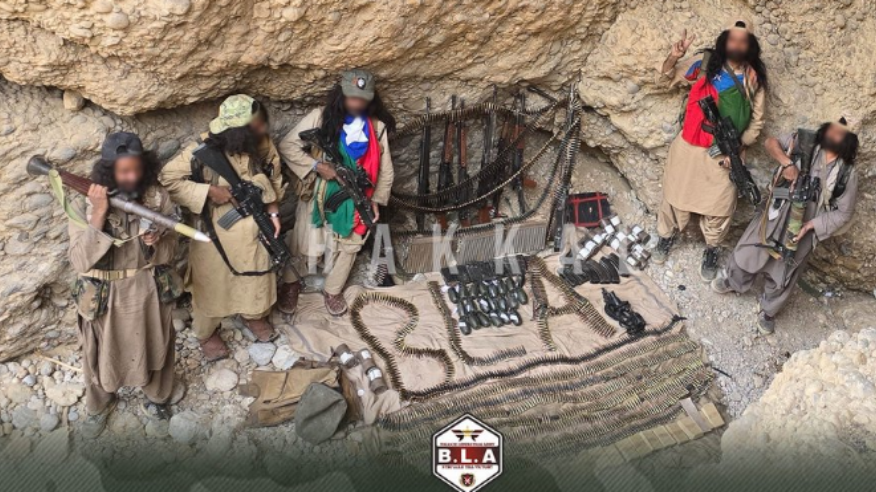
Analysts warn Pakistan is facing serious and simultaneous security challenges. This raises alarms over the Internal Security situation in Pakistan, while the country’s military leadership remains focused on regional diplomacy.
Pakistan has been facing one of its most serious internal security situations with volatility and challenges compounding with every passing day. According to strategic affairs experts General P R Shankar and defence journalist Mr Sandeep Unnithan, the convergence of insurgencies and political instability has created an unprecedented challenge for Islamabad, or rather, Rawalpindi.
In the recently held joint discussion, they discussed the various issues which Pakistan currently face, namely the unrest with protests in Pakistan occupied Jammu and Kashmir (PoJK), a persistent insurgency in Balochistan, mounting violence in Khyber Pakhtunkhwa (KP), and increasing political uncertainty at the centre. While all of these have been brewing for decades, their increasing convergence has further complicated Pakistan's security landscape.
They pointed out that the unrest in Pakistan-occupied Jammu & Kashmir (PoJK) and the anger of its population have been reaching unprecedented levels. While casualty figures remain disputed due to limited media access, experts argued that the intensity of the crackdown reflects the growing unease within Pakistani security establishments.
Apart from PoJK, two additional theatres where Pakistan faces mounting challenges are the increasing insurgencies in Balochistan—where Pakistan has managed to maintain control, but Islamabad’s influence has significantly weakened—and the combined unrest caused by groups such as the Tehreek-e-Taliban Pakistan (TTP), the Pashtun Tahafuz Movement (PTM), etc in Khyber Pakhtunkhwa, leading to increasing tensions between groups and official political authorities.
Chakra Desk
Chakra News is a specialised digital media platform committed to in-depth coverage of India’s defence, national security, geopolitics, and critical technologies.



Comments